
Sonoma · Sauna Builder Services
Indoor Saunas
Home saunas built inside garages, basements, spare bedrooms and primary baths around the county, with a sealed vapor barrier, venting to the outdoors and a dedicated heater circuit.
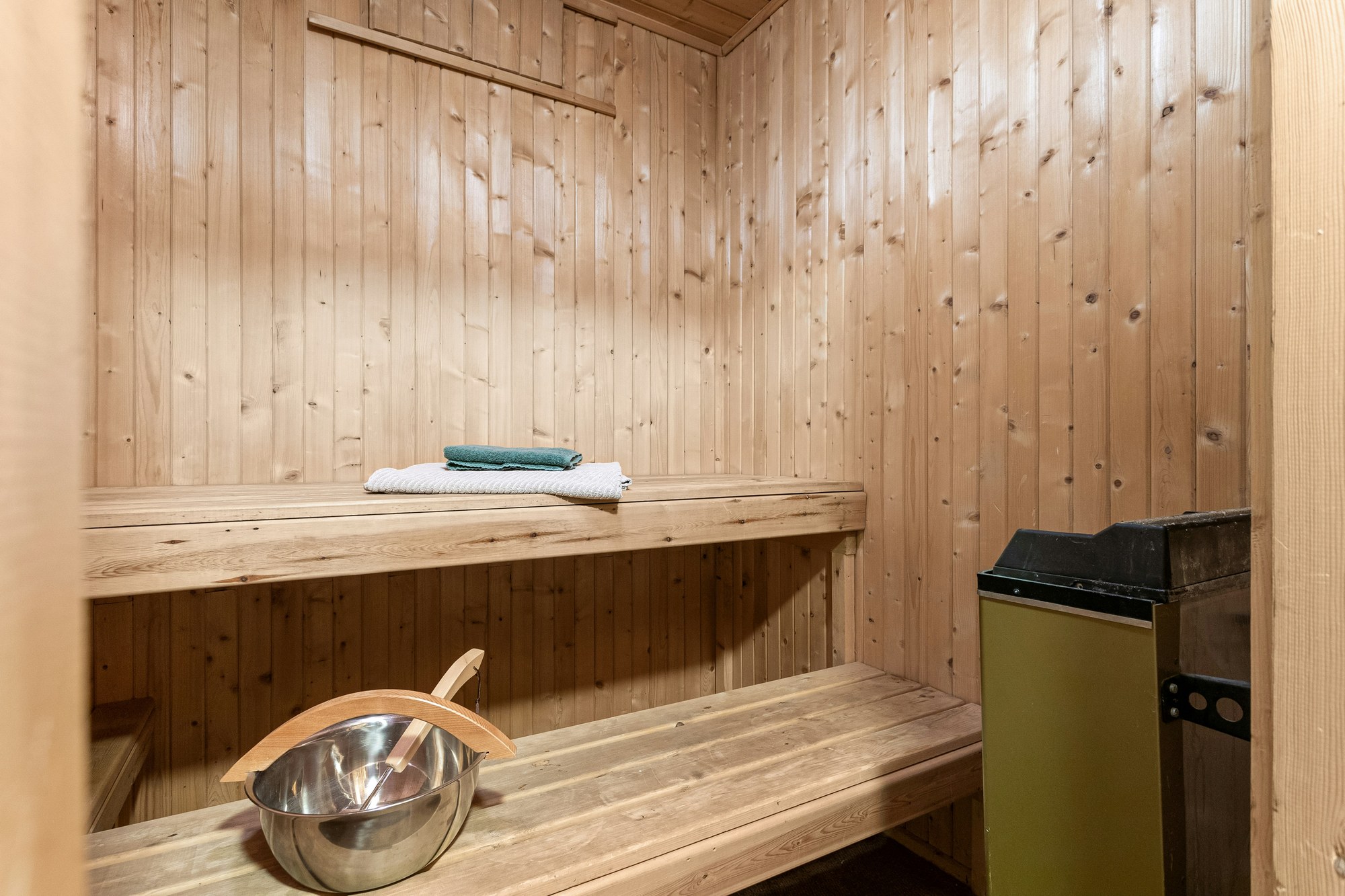
Turning a spare corner into a hot room
Most houses have a space that could hold a sauna. A third garage bay, an unused closet, a basement corner or the end of a long primary bath all work. An indoor room stays warm and dry, is easy to reach on a cold January night, and doesn't need a foundation or roof. It does need careful sealing so heat and moisture stay inside.
We have built indoor rooms in 1970s ranch houses in Rohnert Park and Windsor, in Petaluma Victorians with plaster walls and old wiring, and in newly rebuilt homes in Santa Rosa. Each house brings different framing and electrical surprises. When the yard is the better spot, our outdoor saunas take the same care outside.
Indoor rooms can use any heat type. Many owners pick an electric Finnish heater, while others prefer the lower-temperature session of infrared saunas, and a few combine both. If you already have an indoor room that heats slowly or has a broken control, sauna repair may bring it back.
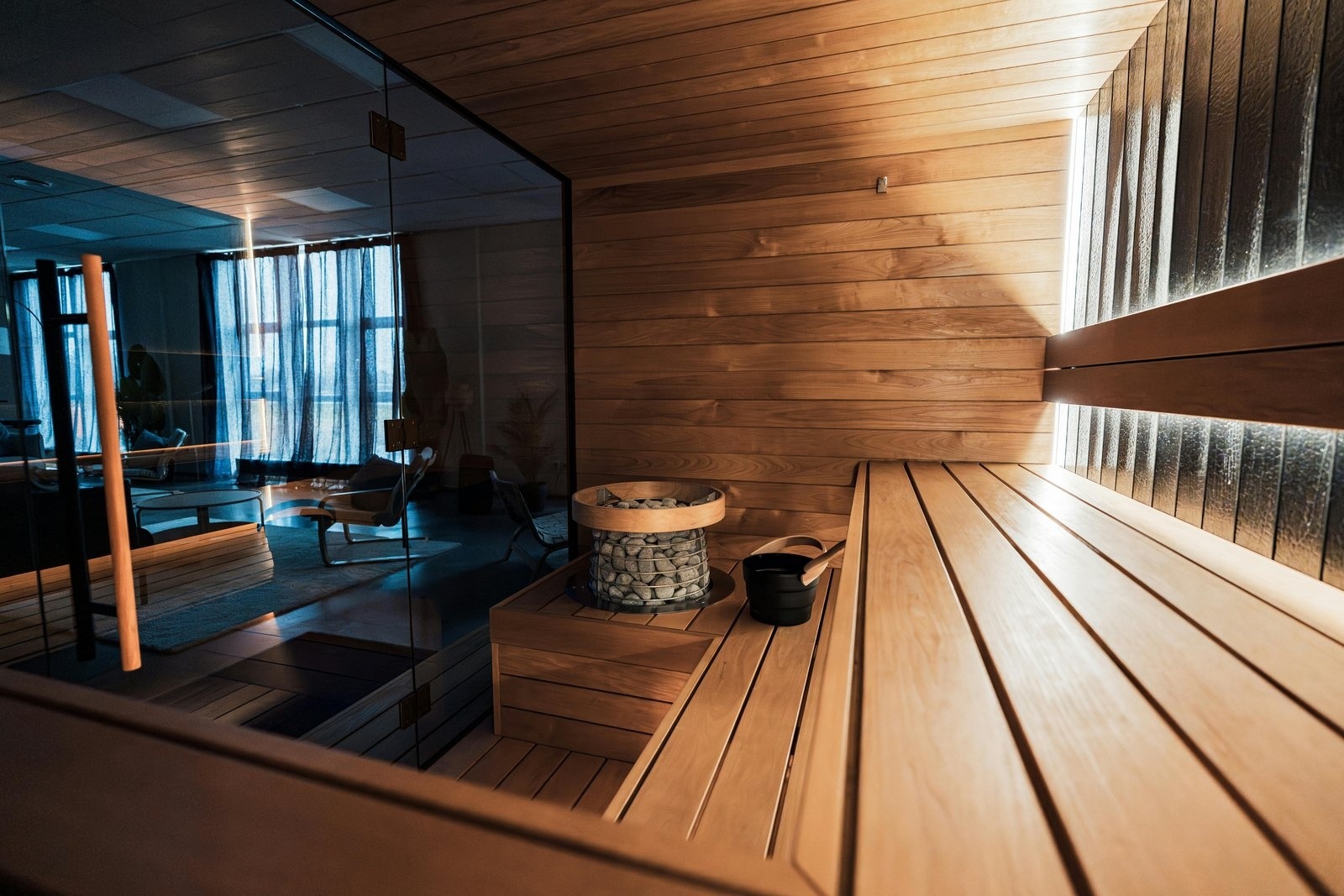
What indoor rooms need that people miss
Heat and moisture inside a house have to be managed properly, or they cause damage in the surrounding rooms. Our indoor sauna builder team plans the vapor barrier and venting before anything else.
- We seal the room with foil vapor barrier and taped seams.
- We vent the room so humid air does not build up in the rest of the house.
- We check floor structure, especially over crawl spaces.
- We evaluate old wiring and plan panel work in older homes.
- We keep heater clearances to combustible walls and ceilings.
- We match trim and door hardware to the rest of the house.
Where indoor rooms make the most sense
Some homes are especially good candidates. These are the spaces we build in most often.
A garage bay you do not park in
Garages have concrete floors, easy access to the panel and room to build. We insulate and frame a room inside, with a changing area if space allows.
A basement sauna
Basements stay cool, and a sauna makes use of space that often sits empty. We deal with damp slab floors and low ceilings along the way.
A bathroom remodel
A two-person room next to the shower makes a good combination. We plan the room with the bathroom layout and fixtures.
A spare bedroom
An empty bedroom can become a sauna with a changing space. We protect the carpet or floor and add an exhaust to the outside.
Weather makes outdoor use harder
West county fog and winter storms make an outdoor walk less appealing. An indoor room avoids the trip across a wet yard.
How we build indoors
Inspect the space
We measure, check floor and ceiling framing, look at the panel and find the best route for an exhaust.
Frame and seal
We frame the room, insulate, install the vapor barrier and prepare vent openings and wiring.
Finish and heat
We install paneling, benches, heater and lights, then fire the room for testing. Owners who later want a detached room can call on our backyard builds using the same plans.
Indoor room details
A few details matter more indoors than outdoors.
Floor construction
Tile or sealed concrete floors with removable duckboards. On wood subfloors we add a moisture barrier and check the framing can take the weight.
Ventilation
Intake near the heater and exhaust to the outside or into a vented space, so humid air does not end up in the house.
Lighting
Slim LED tape tucked beneath the seat boards and along the backrest, plus a sealed ceiling light where code asks for one.
Controls
A wall control outside the room, often app-connected, so you can start the heater before you get home.
Speakers
Ceiling-mounted heat-rated speakers connected to a receiver outside the room.
What indoor rooms cost
Inside the house, most of our rooms land from eight thousand up to about twenty-five thousand dollars. Key cost factors:
- Room size and heater output.
- Electrical work in older homes.
- Ventilation to the outside.
- Wood species and finish.
- Floor and wall prep in basements or garages.
Indoor rooms often cost less than outdoor ones because no foundation or roof is needed. If you already own a room that needs work, compare with our repair pricing before replacing it.
Frequently Asked Questions
Do saunas increase property value?
A well-built, permitted sauna can make a home stand out, especially to buyers in wine country who value wellness features. It rarely returns the full cost, but it helps a listing, and an unpermitted room can hurt.
Is a sauna in your house worth it?
For most people who use it regularly, yes. An indoor room is easy to reach any time of year, which is what keeps people using it.
What are the electrical requirements for a sauna heater?
Indoor electric heaters usually need a dedicated 240V circuit, often 30 to 50 amps. Older homes may need a panel upgrade. We check before quoting.
Will an indoor sauna cause moisture problems?
A properly built room stays dry around the edges. Foil behind the boards stops vapor from reaching the studs, and a duct to the outdoors carries damp air away.
Can I put a sauna in my basement?
Yes. Basements need a check for dampness and ceiling height, and a plan to exhaust air outside. Many Sonoma homes have small basements that work well.
See all FAQs on our FAQ page.
Planning indoor saunas in Sonoma?
Send us a few lines about the space you have in mind, or call, and we will set up a visit and a free estimate. We will talk through heat source, size and budget, and there is no obligation to go ahead.
Or call us now: 707-744-3951